Choosing a Galvanized Spiral Elbow for Efficient Airflow Paths

Airflow is one of the most important parts of a well-planned duct system. When air needs to move through a facility, every turn, joint, and connection matters. A poor fit can slow air movement, create pressure loss, and make the system work harder than needed.

For many HVAC delivery and exhaust systems, a galvanized spiral elbow helps guide air through turns while supporting a strong and steady duct path. This guide explains what to look for when choosing the right elbow for efficient airflow and long-term duct performance.

Understanding the Role of Spiral Elbows in Duct Systems

A spiral elbow is used when a round duct system needs to change direction. Instead of forcing air through a sharp or uneven turn, the elbow gives the airflow a shaped path to follow. This helps the system move air more smoothly from one section to another.

In many facilities, duct systems are used for different jobs, including HVAC delivery, exhaust movement, and controlled air handling. The elbow must support the purpose of the duct system without creating weak points. A well-chosen elbow can help reduce strain on connected parts and support better overall performance.

Why Galvanized Material Is Often Chosen

Galvanized steel is commonly used in ductwork because it offers strength and practical protection for many indoor air movement systems. The galvanized surface helps the duct component stand up to regular use while keeping its shape under normal operating conditions.

A galvanized spiral elbow is also useful because it works well with many round duct layouts. It can support strong connections, clean alignment, and steady movement through curved sections. When the material, size, and connection method are selected correctly, the elbow becomes a dependable part of the airflow path.

Key Factors to Review Before Choosing an Elbow

Before selecting an elbow, it is helpful to look at the full duct layout rather than focusing only on one part. The elbow should match the system’s size, direction, and connection needs.

Important factors include:

  • Duct diameter: The elbow must match the round duct size for a proper fit.
  • Angle of turn: The bend should suit the direction change needed in the system.
  • System purpose: HVAC delivery and exhaust systems may have different needs.
  • Connection method: The joint must support a tight and steady connection.
  • Installation space: The elbow should fit the available area without forcing the duct path.

When these points are reviewed early, it becomes easier to avoid fitting issues during installation.

How Elbow Angle Affects Airflow

The angle of the elbow has a direct effect on how air moves through the duct. A smaller direction change may create less resistance, while a larger turn may need more careful planning. The goal is to guide air without creating unnecessary turbulence.

Common elbow planning points include:

  • Use the correct angle for the actual duct path.
  • Avoid adding extra turns when a simpler route is possible.
  • Keep nearby joints aligned to reduce air disruption.
  • Choose fittings that support a smooth transition between sections.

A duct system with cleaner turns is often easier to balance and maintain.

Matching the Elbow to the Right Connection Style

A spiral elbow does not work alone. It must connect properly with the duct sections around it. If the joint is loose, uneven, or poorly matched, air may escape, and system performance may drop.

Haltom Industries offers ductwork solutions that support strong connections and proper sealing. The company provides angle rings, KwikFlanges, gaskets, blast gates, and related duct accessories for facilities that need dependable duct control. These parts help support the rock-solid connections and impermeability needed for efficient operation.

When selecting connection parts, the size and material should match the duct system requirements. This helps the elbow become part of a complete and reliable airflow path.

Comparing Common Connection Support Options

The right connection method depends on the application, installation needs, and duct size. The table below gives a simple comparison of common support options used in duct systems.

Connection Support OptionMain UsePractical Benefit
Angle RingsRound duct connections that need strong joining supportHelps create a solid duct connection
KwikFlangesRound or oval duct where slip fit or angle ring connections are not suitableSupports economical installation with minimal labor
GasketsSealing support between connected duct partsHelps reduce unwanted air leakage
Blast GatesAirflow control within a duct systemHelps manage air movement through selected paths

These options can work together depending on the role of the duct system and the installation conditions.

Where KwikFlanges Can Support Installation

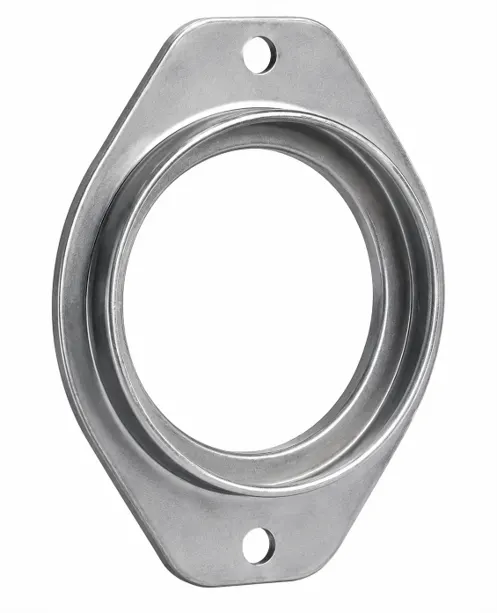
KwikFlanges are useful when a round or oval duct system needs an economical connection and other connection methods are not the best fit. They are connected by standard metal screws, which help create a solid joint while reducing labor.

They are especially helpful in:

  • Medium diameter duct applications.
  • Large diameter duct applications.
  • Elevated installations where labor control matters.
  • Projects where fast and steady connections are important.

Haltom Industries stocks KwikFlanges in a wide range of sizes starting at 4” diameter. They are available in single-wall or 1” to 2” double-wall options and may be ordered individually or preassembled for easier installation.

Material Choices Around the Elbow

The elbow should fit into the material plan for the whole duct system. Haltom Industries allows choices in several materials, including galvanized steel, galvanneal steel, stainless steel, PVC-coated, and aluminum. Each material may suit different duct needs, so selection should be based on the system’s role and facility conditions.

For a galvanized spiral elbow, the surrounding duct and connection parts should be reviewed for compatibility. Matching materials and fittings helps keep the duct path stable and reduces the chance of weak or uneven joints. This is important for both airflow performance and long-term system reliability.

Final Thoughts

Choosing the right elbow is not only about changing duct direction. It is about protecting airflow, supporting tight connections, and helping the duct system work as intended. A properly selected galvanized spiral elbow can guide air through turns while fitting into a complete system of flanges, rings, gaskets, and accessories.

Haltom Industries provides ductwork solutions for HVAC delivery, exhaust systems, and other facility needs where strong connections matter. With careful planning, the right components can support efficient operation, cleaner airflow paths, and dependable duct performance.
Galvanized Elbows for Durable HVAC and Industrial Duct Systems

A duct system works best when every part supports smooth airflow, strong connections, and long service life. In HVAC and industrial settings, turns and changes in direction are common, so the fittings used at these points matter a lot. Galvanized elbows help guide air, dust, fumes, or exhaust through duct runs while supporting durability in demanding conditions.

Haltom Industries focuses on ductwork solutions that help facilities build dependable systems with solid connections, practical accessories, and materials suited for different installation needs.

Understanding the Role of Elbows in Duct Systems

Duct elbows are used where a duct system needs to change direction. Instead of forcing air through sharp or poorly planned turns, elbows create a more controlled path. This helps reduce stress on the duct system and supports better movement of air or material.

In many facilities, elbows are used in:

  • HVAC supply and return air systems
  • Exhaust and ventilation lines
  • Dust collection ductwork
  • Industrial air movement systems

A well-selected elbow can make a duct layout easier to install and maintain. It also helps the system stay efficient when connected with the right flanges, gaskets, and accessories.

Why Galvanized Steel Is Commonly Used

Galvanized steel is often chosen for duct components because it offers a practical balance of strength and surface protection. The galvanized coating helps protect the steel from normal wear in many ductwork environments. This makes it useful for systems that must handle regular airflow, changing conditions, and long operating hours.

Some basic advantages include:

  • Strong structure for duct connections
  • Protective coating for better durability
  • Suitable for use in many HVAC and industrial layouts
  • Practical material choice for standard duct systems

The right material depends on the system’s purpose, location, and operating conditions. Haltom Industries also supports material choices such as Galvanized Steel, Galvanneal Steel, Stainless Steel, PVC Coated, and Aluminum for duct connection needs.

Where These Elbows Are Used

Duct elbows are found in many areas where straight duct sections cannot complete the full system layout. They help installers move duct runs around walls, ceilings, equipment, and structural limits.

Common use areas include:

  • Commercial buildings with HVAC systems
  • Manufacturing plants with exhaust systems
  • Facilities using dust collection ductwork
  • Large spaces requiring controlled air delivery

In each case, the elbow must connect properly with the rest of the duct system. A poor connection can lead to air leakage, reduced performance, or extra maintenance over time.

Key Benefits for HVAC and Industrial Systems

A good elbow fitting does more than change the direction of airflow. It helps the entire duct system stay dependable and easier to manage. This is important in both comfort-based HVAC systems and industrial systems that move air, fumes, dust, or exhaust.

Important benefits include:

  • Helps direct airflow through planned duct paths
  • Supports better system organization in tight spaces
  • Works with connection parts for a stronger duct layout
  • Helps reduce gaps when installed with proper accessories

When elbows are matched with suitable flanges and gaskets, the duct system can maintain stronger connections and improved control.

Connection Support from Haltom Industries

Haltom Industries provides ductwork solutions that support many types of duct installations. The company offers angle rings and KwikFlanges, along with duct accessories such as gaskets and blast gates. These parts help create solid connections and support better control throughout a facility’s duct system.

KwikFlanges are used when slip fit or angle ring connections are not the right choice. They connect the round or oval duct with standard metal screws. This can help create a solid joint while reducing labor during installation.

For medium and large diameter ductwork, or elevated installations, Kwik Flanges can be a practical option for installers looking for efficient connection methods.

Useful Comparison of Duct Connection Components

The right duct connection depends on the system design, duct shape, size, and installation needs. The table below gives a simple overview of common ductwork parts offered by Haltom Industries.

ComponentMain PurposeCommon Benefit
Angle RingsConnect duct sections securelyStrong and stable duct joints
KwikFlangesConnect a round or oval duct where other methods may not applySolid connection with minimal labor
GasketsHelp seal duct connectionsSupports better impermeability
Blast GatesHelp control airflow in a duct systemImproves system control and adjustment

Each part plays a different role, but all of them support the same goal: a duct system that connects well and performs reliably.

Choosing the Right Size and Material

Size and material selection are important for every duct system. A fitting that does not match the duct size can create connection problems, while the wrong material may not suit the working environment. This is why it is useful to consider the system before selecting parts.

Important points to review include:

  • Duct diameter and shape
  • Single-wall or double-wall needs
  • Installation location and access
  • Airflow, exhaust, or dust collection purpose
  • Required material for the environment

Haltom Industries stocks KwikFlanges in a wide range of sizes starting at 4” diameter. Options include single wall or 1” to 2” double wall, with parts available individually or preassembled for easier installation.

Installation Factors That Affect Performance

Even a strong duct component needs correct installation to perform well. During installation, each joint should be aligned properly and secured with suitable hardware. Gaskets and connection accessories should also be used where sealing is needed.

Installers should pay attention to:

  • Proper alignment between duct sections
  • Secure fastening at each joint
  • Correct use of gaskets for sealing
  • Suitable support for elevated duct runs
  • Easy access for future inspection or maintenance

These steps help reduce leakage risks and support smoother operation. They also help the duct system stay dependable during regular facility use.

Building Better Duct Systems with Practical Parts

A durable duct system depends on more than one component. Straight ducts, elbows, flanges, gaskets, and control accessories must work together. When each part is selected for the system’s real use, the full layout becomes easier to manage.

Haltom Industries supports these needs with a broad inventory and connection options for different duct applications. From HVAC delivery to exhaust systems, the focus remains on rock-solid connections, useful accessories, and dependable material choices. This helps facilities create ductwork that is practical, efficient, and built for daily operation.

Conclusion

Galvanized elbows play an important role in duct systems that need reliable directional changes, steady airflow, and durable connections. When used with proper flanges, gaskets, and accessories, they help support the overall strength and control of HVAC and industrial duct layouts.

Haltom Industries provides ductwork components that help facilities match their system needs with suitable sizes, materials, and connection methods. A well-planned duct system is easier to install, easier to maintain, and better prepared for long-term use.

Benefits of Slip-On Flanges in High-Pressure Piping Systems

In any pressure system, the joint matters as much as the pipe itself. A weak connection can lead to leaks, repairs, shutdowns, and safety concerns that spread through the whole line. That is why flange selection needs careful thought from the start.

Slip-on flanges are often discussed because they offer a practical balance between fit-up ease, cost control, and installation speed. In high-pressure service, they are not the right answer for every line, but in the proper design range and with correct fabrication, they can support stable and efficient system performance.

What a Slip-on Flange Does in a Piping Setup

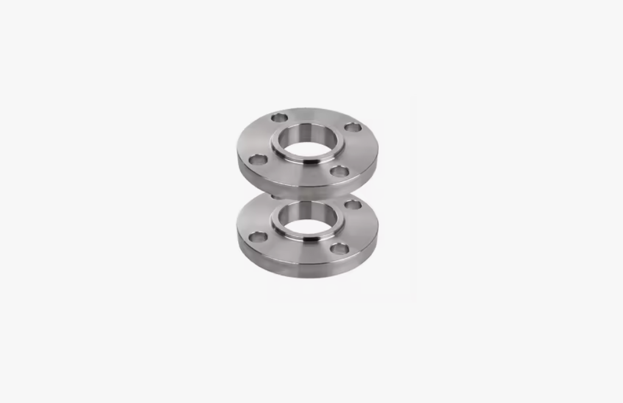
A slip-on flange is designed to slide over the pipe before welding. This basic form makes alignment easier during fit-up, which is one reason many fabricators and installers know the design well. The pipe is placed into position, and welding is done to secure the connection.

That simple setup can reduce some of the stress that comes with difficult field assembly. When teams are working across large systems, small gains in fit-up time can make a real difference. In pressure piping, that matters because rushed alignment often causes problems later. A connection that starts in the right position is easier to weld with care and easier to inspect after the work is done.

Where These Flanges Make Practical Sense

Not every pressure line needs the same connection style. Some systems deal with very high loads, sharp temperature changes, or strict code limits that call for another flange type. Still, there are demanding services where this style may be selected when design conditions, welding method, material choice, and code requirements all support that decision.

Here are some reasons engineers and fabricators may consider this design:

  • Easier pipe alignment during assembly, especially on larger layouts
  • Familiar fabrication method for many shops and field crews
  • Lower material cost than heavier connection designs in some cases
  • Useful where balanced performance and installation speed both matter

The main point is simple. Selection should come from service conditions, not habit. When the fit is right, the joint can do its job well.

Benefits of Slip-on Flanges for Installation Teams

One of the clearest strengths of this design is ease of installation. Because the flange slips over the pipe, the crew has more room to adjust the position before welding begins. That is helpful when line runs are long or when several parts need to meet in a tight layout.

This can support better workflow in a few ways:

  • It may reduce fit-up struggle during initial placement
  • It can help crews line up mating parts with less rework
  • It often makes handling simpler during fabrication stages
  • It may shorten labor time on jobs with repeated connections

That does not mean the welding step becomes casual. In pressure service, weld quality still carries the whole job. But simpler positioning can help the team start from a better place, and that can improve consistency across the system.

Cost Control Without Cutting Corners

In many industrial projects, budget pressure is real from the first drawing to the final inspection. Connection design affects material use, labor hours, fabrication time, and future maintenance planning. That is where the value of a practical flange style becomes easier to see.

A simpler connection shape can support cost control in two ways. First, it may lower the base component cost in some applications. Second, it can reduce the time spent on fit-up and adjustment. Those savings matter more on systems with many repeated joints.

Still, cost should never override service limits. A lower-cost part only makes sense when it also fits the pressure rating, welding standard, and operating condition of the system. Good engineering always starts there.

A Clear Comparison at the Planning Stage

The best time to judge a flange type is before purchasing begins. Teams need to look at pressure demand, line movement, welding access, and inspection needs. The table below gives a simple planning view.

FactorSlip on flange consideration
Fit-upEasier to position on the pipe before welding
LaborCan reduce installation effort on repeated connections
CostOften chosen where budget control matters
WeldingRequires proper weld quality for pressure service
Application checkMust match code, pressure class, and service conditions
Maintenance accessBolted flange layout can support future disassembly


Pressure Performance Depends on Full System Design

It is easy to talk about flange benefits in isolation, but that can be misleading. In real service, pressure performance depends on the whole system. Material grade, wall thickness, gasket selection, bolt load, weld quality, thermal movement, and inspection practice all affect the result.

That is why slip-on flanges should never be viewed as a universal answer for every high-pressure line. They are one option within a larger design decision. When used in suitable conditions and fabricated with care, they can support a sound connection. When used outside those limits, the problem is not the label on the flange. The problem is poor selection.

A strong system comes from correct matching. The flange, pipe, weld, and operating condition must all work together.

How Haltom Industries Supports Connection Reliability

Haltom Industries focuses on connection performance across ductwork systems where dependable joints matter for daily operation. The company supplies angle rings, KwikFlanges, gaskets, and blast gates to support efficient system control and solid connection points. It also maintains a broad inventory across many sizes, which helps customers order what they need without adding delay to the job.

Its KwikFlanges are used to connect round or oval duct where slip fit or angle ring connections are not the right match. They are joined with standard metal screws, which helps reduce labor in medium, large diameter, and elevated applications. Material options include galvanized steel, galvanneal steel, stainless steel, PVC-coated, and aluminum. That product depth reflects a practical understanding of connection demands, fit-up needs, and long-term system function.

Final Thoughts

In the right setting, slip-on flanges can bring real value to a pressure system through easier alignment, balanced cost, and practical installation flow. Their benefits are most useful when the full design has been reviewed with care, and the service conditions support their use.

That is the key point many teams miss. The best flange is not the one that sounds strongest on paper. It is the one that matches the actual job. Haltom Industries reflects that same practical mindset by focusing on reliable connection solutions that support efficient system performance.

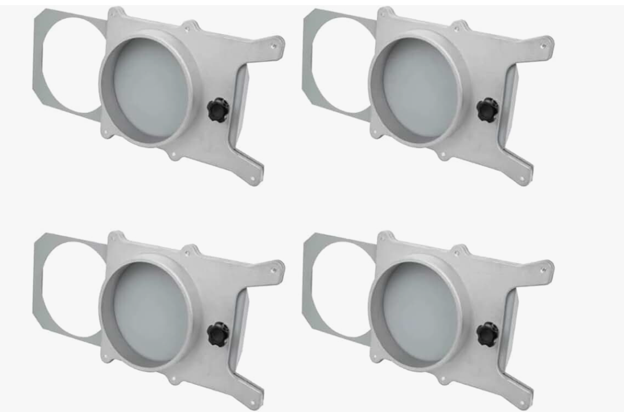
How Dust Collection Blast Gates Improve Airflow Control

Dust control is not only about keeping a work area clean. It is also about keeping air movement steady, reducing waste, and helping each part of a duct system do its job with less strain. In many facilities, airflow problems begin when too many branches stay open at the same time.

That is where a dust collection blast gate becomes useful. It gives operators a simple way to direct airflow where it is needed most, while helping the system work with more balance and less loss.

Why Airflow Control Matters in a Dust Collection System

A dust collection system performs best when airflow is concentrated at active pickup points. If airflow spreads across too many open lines, suction can weaken at the source points that need it most. That drop in performance can make dust capture less reliable and may leave fine material inside the duct path.

Good airflow control helps a facility:

  • Keep suction focused at active workstations
  • Reduce waste from air moving through unused branches
  • Support a cleaner operation inside the system
  • Help fans and connected parts work under better conditions

When airflow is managed well, the entire system feels more stable. Small changes in control can make a clear difference in daily performance.

What a Blast Gate Does in Simple Terms

A blast gate is a control point placed in a duct branch. Its job is to open, close, or limit airflow through that section. When one line is not in use, the gate can be closed so air is not pulled through an idle branch. When that line becomes active, the gate can be opened again.

This simple control method helps operators guide air to the areas that need collection at that moment. Instead of letting airflow drift through every path at once, the system can stay more focused.

In a busy setup, that kind of control matters because each open branch affects the rest of the network. A gate gives the system a clearer path.

How a Dust Collection Blast Gate Improves System Balance

A dust collection blast gate helps balance a duct system by limiting air loss through lines that do not need to stay open. That matters because air will always move along the easiest path. If several unused branches remain open, valuable airflow may move where it serves no real purpose.

By closing inactive branches, operators can:

  • Increase pull at the active pickup point
  • Reduce uneven airflow across the system
  • Improve the collection where dust is being created
  • Support a more predictable operating pattern

This is not a complicated change, but it can improve day-to-day control in a real way. When airflow is directed with care, dust capture becomes more dependable.

Common Airflow Problems That Blast Gates Help Reduce

Many duct systems lose performance for reasons that seem small at first. A branch left open, poor line control, or weak balancing habits can slowly affect the full network. Blast gates help reduce these issues by giving teams a direct way to adjust airflow.

Common problems include:

  • Weak suction at one workstation, while another unused line stays open
  • Air loss across long branch runs that are not active
  • Extra strain on the system from poor airflow direction
  • Uneven collection results during different parts of the workday

These issues do not always come from a major equipment fault. In many cases, they come from poor control. A gate helps bring that control back into the hands of the operator.

Manual and Automatic Options for Different Needs

Not every facility uses the same operating style. Some setups work well with manual control, while others need a faster response tied to equipment use. Haltom Industries offers blast gates in full and half sizes, with manual or automatic operation, which gives facilities room to match the gate style to the system design.

Here is a simple comparison:

TypeHow It WorksBest FitMain Benefit
Manual Blast GateOpened or closed by handSmaller setups or fixed routinesSimple control and direct use
Automatic Blast GateResponds through system operation or control setupLarger systems or active production linesFaster airflow adjustment with less manual handling

The right option depends on how often lines change, how many branches exist, and how much direct operator control is practical during normal work.

Where Blast Gates Fit in Industrial Duct Systems

Blast gates are often placed at branch lines where airflow needs to be managed with accuracy. Their position matters because the goal is not only to shut a line, but to guide the system toward better flow distribution.

You may find them used in systems that support:

  • Dust collection branches tied to process points
  • Exhaust lines that need section-by-section control
  • HVAC-related duct paths that benefit from better regulation
  • Facilities with changing airflow demand during each shift

Haltom Industries supports duct systems used for HVAC delivery and exhaust systems, along with the accessories needed to keep control points strong and practical. In that setting, blast gates are not a small add-on. They are part of the working structure of the system.

Choosing the Right Blast Gate for Your Facility

Choosing a gate should begin with the actual use of the duct system. A facility should look at how many branches are active, how often airflow paths change, and whether manual or automatic control makes more sense for the team.

Some useful questions include:

  • How many branches need regular control?
  • Do operators change airflow paths many times each day?
  • Is a full-size or half-size gate the better fit?
  • Does the system need manual handling or automatic response?
  • Are the duct connections strong enough to support efficient control?

Haltom Industries offers a wide range of blast gates for industrial duct systems and also supports custom requests. That matters for facilities that need a more exact fit rather than a one-size approach.

How Haltom Industries Supports Better Airflow Control

Airflow control works best when the system is built with the right parts from the start. Haltom Industries supplies ductwork solutions across the country, with angle rings, KwikFlanges, and duct accessories such as gaskets and blast gates. That broad support helps facilities build stronger systems, not patch together separate parts with mixed performance.

When a dust collection blast gate is matched with solid duct connections and the right layout, airflow becomes easier to manage. The system can stay focused, cleaner, and more stable during normal use. That is what makes this type of component worth attention. It may look simple, but it supports better control where it counts. In many facilities, that is the difference between airflow that drifts and airflow that works.